


Blog
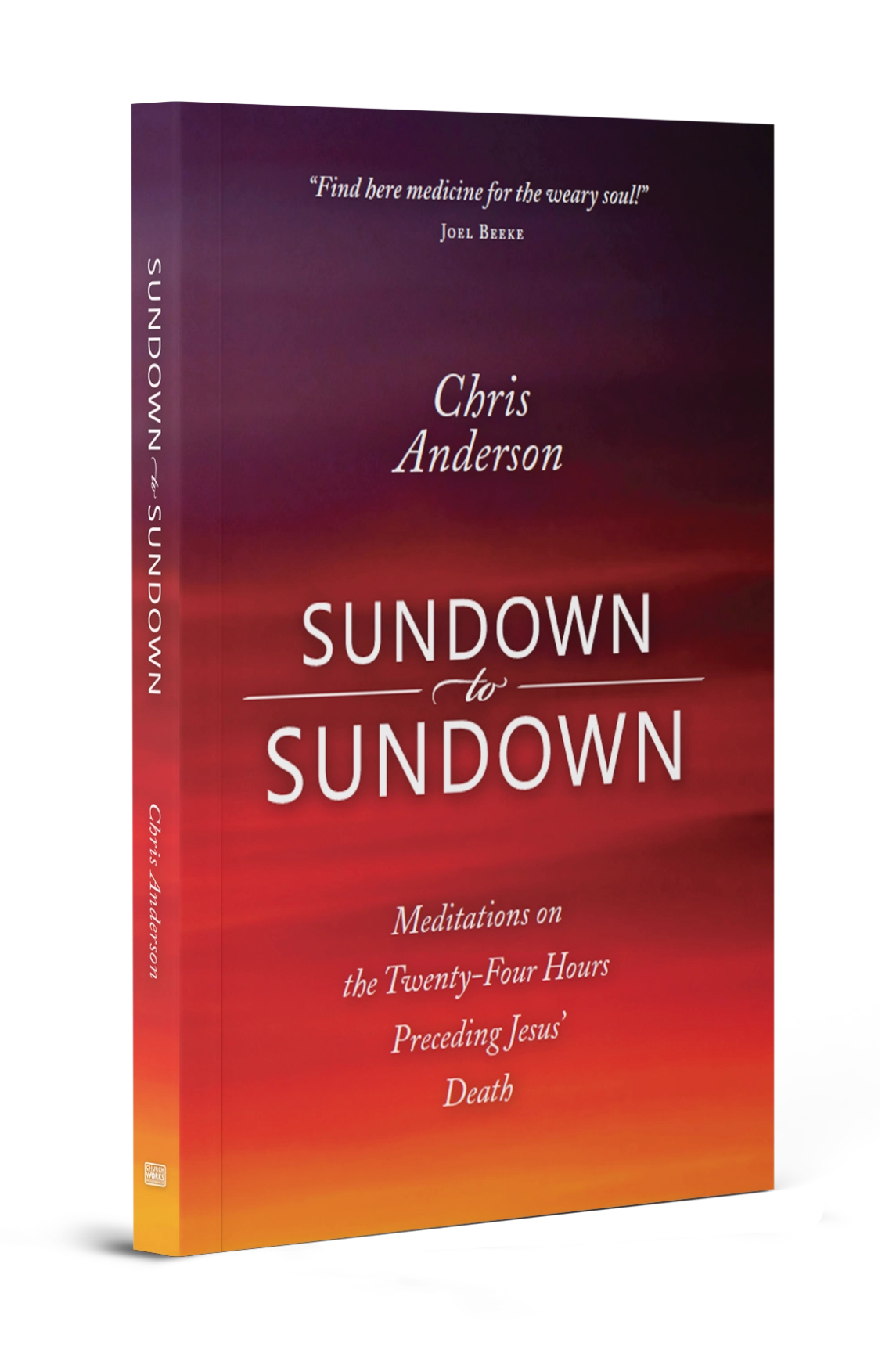
The Crucifixion of Jesus




Select options
This product has multiple variants. The options may be chosen on the product page
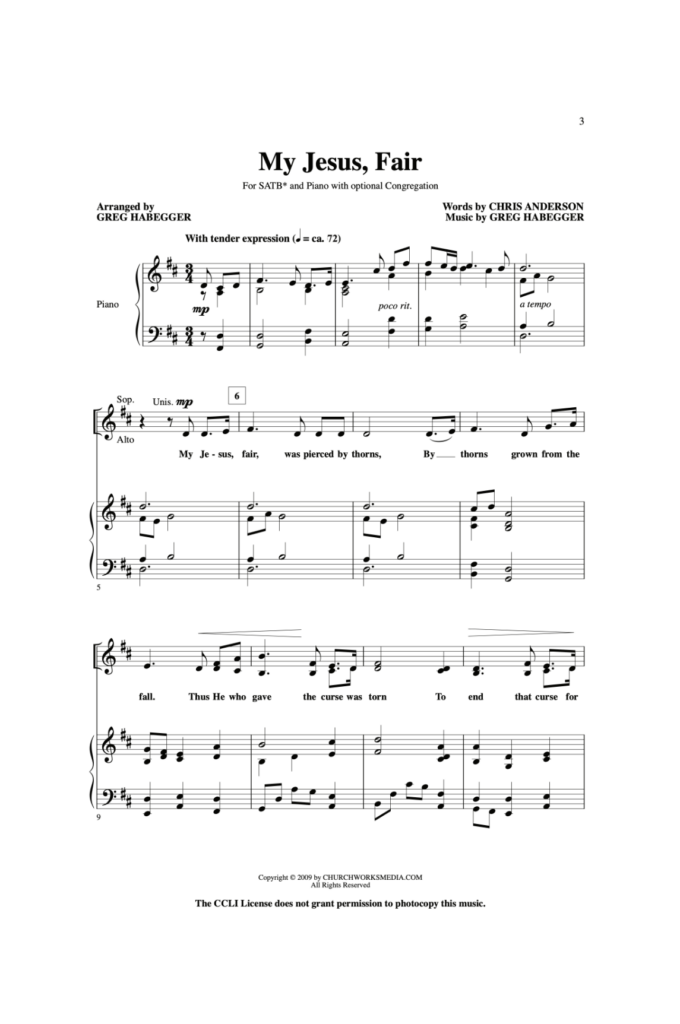
My Jesus, Fair [HRFM Album Version – Sheet Music]
Price range: $0.99 through $49.99
Select options
This product has multiple variants. The options may be chosen on the product page
My Jesus, Fair [SOFJ Album Version – Sheet Music]
Price range: $0.99 through $1.99



Related Posts

Horses and Hopes

The horse is made ready for the day of battle, but the victory belongs to the Lord. (Proverbs 21:31)Until a century ago, horses played a central role in ground warfare. Throughout most of history, battles weren’t fought with tanks and...
Every Sunday Is Resurrection Day
Yesterday, we celebrated the greatest day in history—Jesus’ triumph over sin and death. Churches were filled, songs were loud, and the resurrection took center stage.Next Sunday will feel different, quieter, more ordinary. But it’s still the first day of the...

O Wonderful Exchange

“For our sake he made him to be sin who knew no sin, so that in him we might become the righteousness of God.” (2 Corinthians 5:21)The doctrine of justification is glorious, but it can also feel abstract until we...

Quiet Worship

This post by Abby Huffstutler comes from Gospel Meditations on the Psalms (Day 17).READ PSALM 65“By awesome deeds you answer us with righteousness, O God of our salvation.” (Psalm 65:5)When I think of quiet worship experiences, my mind recalls beautiful...

How Pleasure Displays God’s Goodness
This post by Chris Anderson is from Gospel Meditations on Creation (Day 5).“Yet he did not leave himself without witness, for he did good by giving you rains from heaven and fruitful seasons, satisfying your hearts with food and gladness.”...

Jesus’ Love for His Own
This post by Chris Anderson is an excerpt from Sundown to Sundown: Meditations on the Twenty-Four Hours Preceding Jesus’ Death (Day 1), released in 2025.“Now before the Feast of the Passover, when Jesus knew that his hour had come to...

Worship the Lord, “All the Earth”
This post by Joe Tyrpak is from a new publication called More Gospel Meditations for Missions. Coming soon!“Make a joyful noise to the Lord, all the earth!” (Psalm 100:1)For the English-speaking world, there’s no more historic call to worship than...

Don’t Leave Your Career—Leverage It!
This post by Chris Anderson is from a new publication called More Gospel Meditations for Missions. Coming soon!“They were tentmakers by trade.” (Acts 18:3)I used to think of “closed” or “restricted-access” countries primarily as Muslim strongholds. You’re not getting a...

Christlike Compassion
This post by Chris Anderson is from Gospel Meditations for Missions (Day 23).“When he saw the crowds, he had compassion for them.” (Matthew 9:36)Matthew 9:35–38 is a heart-stirring depiction of Christ’s compassion for the harassed and shepherdless multitudes. It appears at...
Life to the Full

An excerpt from Day 3 of Daring Decision, a new devotional book by M. R. Conrad. Available to order now from Church Works Media."I feel like God has me blindfolded and is leading me along a path I don't quite understand....
How Do We Hear God’s Call Today?
An excerpt from the Preface of Daring Decision, a new devotional book by M. R. Conrad—available to order now from Church Works Media“I heard the voice of the Lord, saying: ‘Whom shall I send, And who will go for Us?’...

The Right Stuff
An excerpt from Church Works Media’s new biography—Zero GravityFor Jeff Williams, West Point was both a challenge and a test of resolve.When Jeff first left Wisconsin for West Point, he wasn’t sure he would cut it as a cadet, or...
